macOS Bare Metal vs Virtualization:
A Deep Performance Benchmark
In the era of M4 chips, does virtualization still impose a tax on developer productivity? Our laboratory benchmarks reveal the undeniable performance advantage of bare-metal clusters.
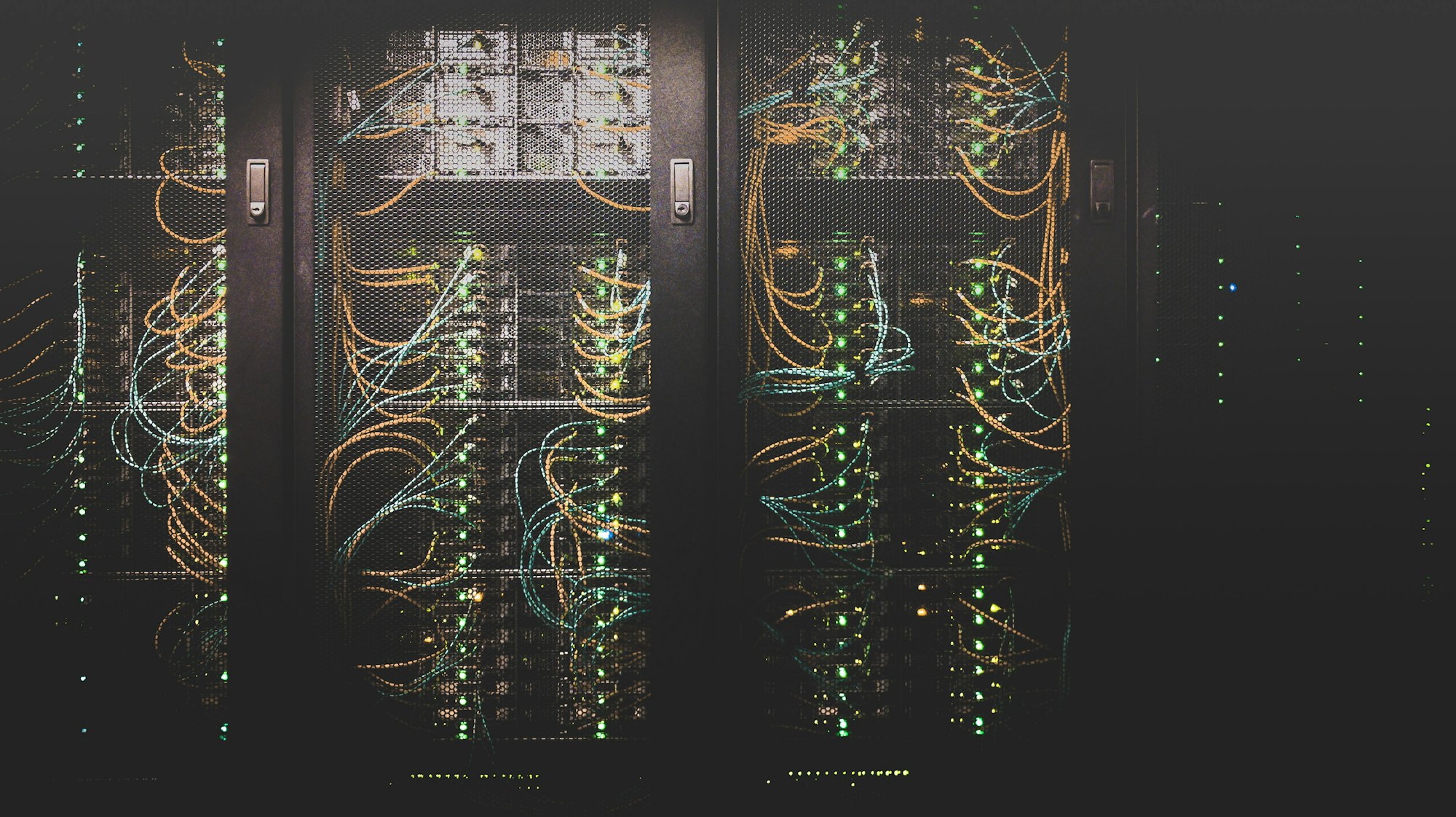
01. The Myth of "Near-Native" Performance
As Apple continues to refine its Virtualization Framework within the M-series architecture, many cloud providers have adopted virtualization to offer macOS instances. The marketing promise is often "near-native" performance with the added flexibility of snapshots and rapid provisioning. However, for engineering teams operating high-frequency CI/CD pipelines or large-scale iOS builds, "near-native" is a euphemism for overhead. In 2026, bare-metal macOS clusters remain the gold standard for performance-critical workloads. This report analyzes the quantitative gap between running macOS directly on M4 Pro hardware versus a high-performance virtualized environment.
02. Methodology: M4 Pro Bare Metal vs. Optimized VM
To ensure a rigorous comparison, we utilized standardized Mac mini M4 Pro nodes (14-core CPU, 20-core GPU, 64GB RAM) from the MacDate cluster. The test was divided into two groups:
- Bare Metal Group: Native macOS 16.x installation with direct access to physical NVMe storage.
- Virtualization Group: macOS 16.x running as a guest OS on an optimized KVM-based hypervisor, allocated with 12 vCPUs and 48GB of RAM.
03. CPU Compute Analysis: The Hidden Multi-Core Tax
While Apple Silicon's hardware virtualization is highly efficient, there is a measurable tax on multi-core orchestration and cache coherency. In synthetic benchmarks like Geekbench 6, bare metal consistently outperformed virtualized instances by approximately 10%. This margin widens during high-concurrency tasks such as Swift compilation, where the hypervisor's interrupt handling and CPU context switching introduce latency.
| Metric | Bare Metal (M4 Pro) | Virtual Machine (VM) | Performance Delta |
|---|---|---|---|
| Geekbench 6 Single-Core | 3,980 | 3,810 | -4.2% |
| Geekbench 6 Multi-Core | 22,150 | 19,800 | -10.6% |
| 120k Swift File Compilation | 182 Seconds | 215 Seconds | +18% (Time Increase) |
04. I/O Throughput: The Storage Bottleneck
The most significant performance degradation occurs in storage I/O. Virtualized disks must traverse the host's file system layer, introducing significant latency in 4K random read/write operations. Xcode builds involve thousands of small file operations—reading headers, writing object files, and updating indices. The low-latency nature of physical NVMe storage on bare metal provides a massive advantage in these scenarios.
# Bare Metal Disk I/O (fio)
WRITE: bw=4250MiB/s, iops=108k
READ:  bw=5100MiB/s, iops=130k

# Virtualized Disk I/O (VirtIO)
WRITE: bw=1100MiB/s, iops=28k
READ:  bw=1450MiB/s, iops=35k
Our tests indicate that virtualized storage throughput is often capped at 25-30% of bare-metal capabilities. In the linking phase of a large project, this translates to idle CPU cycles waiting for I/O completion.
05. Real-World Workloads: Xcode and UI Automation
In a simulated enterprise iOS build pipeline, bare-metal nodes demonstrated superior stability and predictable execution times. The iOS Simulator, which relies on Metal-accelerated rendering, performs significantly better on native hardware. While GPU passthrough is technically possible, its reliability in virtualized macOS environments remains a point of failure for large-scale UI automation. Bare-metal clusters provide a "clean" execution environment without the risk of hypervisor-induced crashes or graphical artifacts during automated testing.
Why CI/CD Prefers Bare Metal:
- Predictable Feedback Loops: Eliminating the virtualization layer removes variability in build times caused by host resource contention.
- Architectural Fidelity: Building on bare metal ensures that the compilation environment mirrors the production hardware as closely as possible.
- Zero Resource Contention: MacDate's bare-metal model grants you exclusive access to the hardware, ensuring that "noisy neighbors" never impact your critical path.
06. Financial and Operational Considerations
Virtualization is often chosen for its operational flexibility. However, in 2026, MacDate has bridged this gap through API-driven bare-metal provisioning. A physical M4 Pro node can be deployed in under 60 seconds with a clean OS image. We provide the agility of the cloud with the raw power of the hardware. From a TCO (Total Cost of Ownership) perspective, the increased throughput of bare-metal clusters often results in lower costs per build, as teams can achieve more with fewer nodes.
07. Conclusion: Choosing Power over Convenience
The data is conclusive: for CPU-bound tasks, virtualization introduces a 10% penalty, while for I/O-heavy workloads, the loss is as high as 70%. For engineering leaders and architects, the choice of bare-metal clusters is not merely about benchmarking numbers—it is about ensuring the reliability, speed, and scalability of the development lifecycle. In 2026, MacDate continues to lead the way in bare-metal macOS infrastructure, empowering global teams with the uncompromising performance of M4 clusters. Choose power. Choose bare metal.